Re-Engaging Students Through Compassionate, Data-Driven Care
When a student experiences a mental health disruption, extended medical absence, or severe emotional distress, returning to the classroom can feel overwhelming. bryt offers a proven, school-based Tier 3 intervention model designed to help students successfully return to school and keep learning.
Rather than treating academic progress and mental health as separate challenges, the bryt model integrates both into a supportive, structured environment inside the school building that is customized to each student. By combining clinical care, academic coordination, and deep family partnership, bryt helps students regain stability, build resilience, and stay on track toward graduation.
Frequently asked questions
-
What is bryt?
bryt is a school-based Tier 3 intervention that supports students returning to school after significant mental health or medical disruptions.
-
How does bryt support students?
bryt integrates clinical support, academic coordination, care coordination, and family accompaniment inside the school setting.
-
Who is bryt for?
bryt is designed for students whose learning, attendance, or school engagement has been disrupted by serious mental health, medical, or emotional challenges.
The bryt Room: A Dedicated School Sanctuary
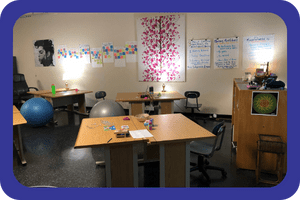
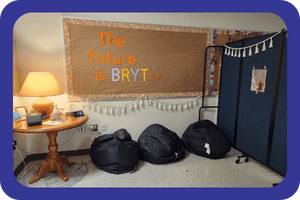
The bryt Room serves as the physical home base for the program within the school building. It is a sensory-friendly, welcoming, and quiet space designed to bridge the gap between home/hospital settings and the traditional classroom.
- A Safe Space to Decompress: Students use the room when feeling overwhelmed in class, allowing them to regulate their emotions and return to instruction as soon as they are ready.
- Flexible Learning Environment: Equipped with comfortable seating, sensory tools, and quiet work stations tailored for individual instruction and small-group support.
- Continuous Presence: Staffed throughout the entire school day so students always have access to a trusted adult when distress arises.

Dedicated Interdisciplinary Staff
A successful bryt Intervention relies on a collaborative team of specialized professionals working directly inside the school:
- Clinical Coordinator: A licensed mental health professional (LICSW, LMHC, or School Psychologist) who delivers direct clinical support, manages crisis situations, communicates with and supports families, and leads care coordination with external providers.
- Academic Coordinator: An educator who liaises with classroom teachers, modifies assignments, tracks academic progress, and provides direct instructional support.
- School Support Partners: School counselors, school nurses, administrators, and paraprofessionals who integrate with the bryt team to maintain continuity of care across the student’s entire day.
Individualized Reintegration Plans
Because no two students experience disruption and recovery in the same way, every student in a bryt program receives a customized, time-limited Student Support Plan. This plan integrates four core components of care to support the whole student:
- Clinical Coordination: Daily, trauma-informed emotional support, crisis triage, and self-regulation skill-building.
- Academic Coordination: Direct learning support, prioritized assignments, and tailored pacing to keep students on track.
- Care Coordination: Unified advocacy and communication among the school, external providers, and state agencies.
- Family Accompaniment: Authentic, ongoing partnership with families that centers parent/caregiver voices.
The 4-Phase Student Journey
(time frames are rough and vary by student)
Phase 1: Stabilization & Orientation (Weeks 1–2):
Establish emotional safety, assess baseline needs, and set flexible schedules.
Phase 2: Gradual Re-Entry (Weeks 3–8):
Incrementally return to classes with tailored academic pacing and daily skill practice.
Phase 3: Full Integration & Transition (Weeks 9–12):
Resume full-time classroom learning with light-touch check-ins as independence grows.
Phase 4: “Alum” Status (Ongoing):
Open-door access and light monitoring until graduation or school transition.